
The baby boomer generation (those born from 1946 to 1964) sure love their pets. Historically, pet ownership declines with age due to the owner’s health issues or the cost of care for the pet. However, baby boomers are breaking this pattern. The 2024 National Pet Owners Survey shows baby boomers still represent a large percentage […]

Osteoporosis or “porous bone” is a disease of the skeletal system characterized by low bone mass and deterioration of bone tissue. Osteoporosis leads to an increased risk of bone fractures typically in the wrist, hip, and spine. Diet and exercise can do a lot to not only prevent osteoporosis, but to also reverse osteoporosis that […]
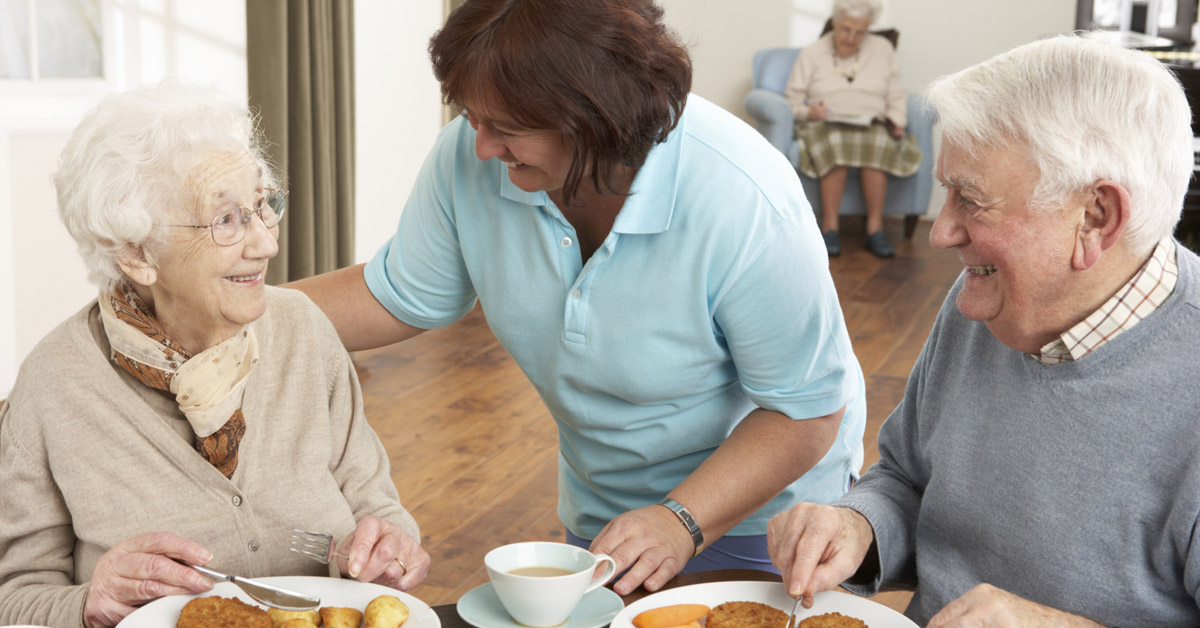
As a caregiver, ensuring your loved one receives nutritious meals is vital for their overall health and well-being. This guide offers practical advice on incorporating healthy ingredients into your care plan, aiming to maintain health, enhance mood, and provide energy for both your loved one and yourself. Optimal Foods for Seniors Aging alters nutritional needs; […]
Most of us have heard that living a healthy lifestyle lowers the risk of certain illnesses and diseases such as heart disease, cancer, and diabetes. Research shows that the same can be said for strokes. The most common type of stroke is the ischemic stroke, which occurs when the blood supply to part of the […]

Laughter, while not a replacement for medical treatment or physical exercise, offers numerous benefits for both mind and body. A growing body of research highlights the positive effects of laughter on various aspects of health. Physical Health Benefits: Mental and Emotional Health Benefits: Beyond physical advantages, laughter plays a crucial role in mental and emotional […]

Emerging research indicates a strong connection between inadequate sleep and various health issues, such as elevated risks of hypertension, diabetes, obesity, and cardiovascular diseases. A recent study focusing on middle-aged individuals found that experiencing multiple sleep disturbances—including difficulty falling asleep, early morning awakenings, or sleeping less than six hours per night—can nearly triple the risk […]
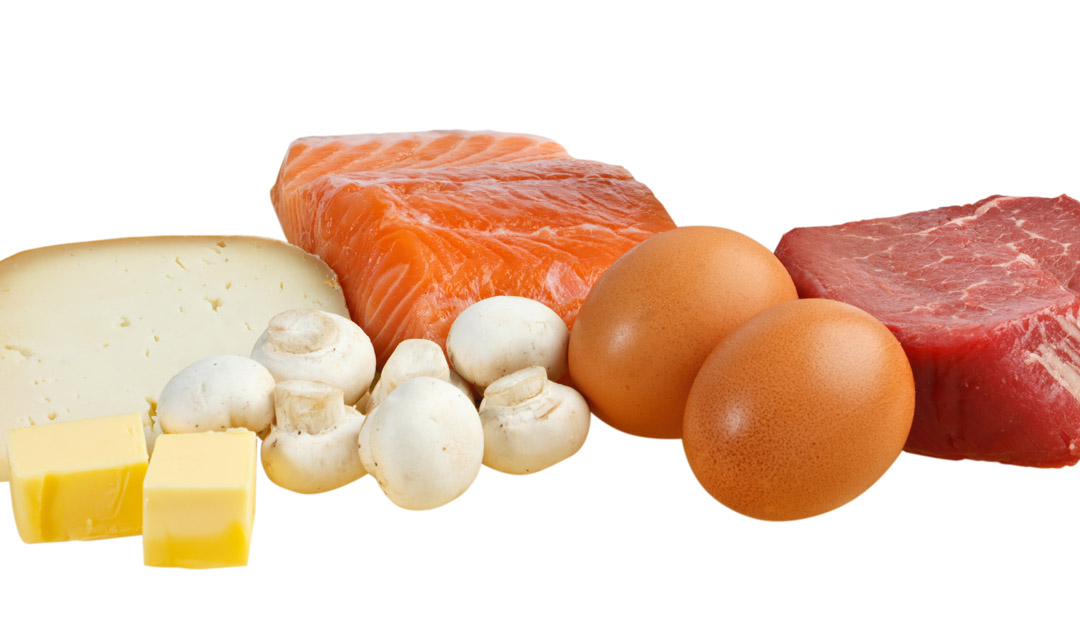
Eggs are inexpensive and nutritious, but many are cautious due to their high cholesterol content. High blood cholesterol levels have been connected with a higher risk of cardiovascular events and vice versa. For this reason, some sources have recommended that people consume less than 300 mg of cholesterol per day. This practically rules out regular […]
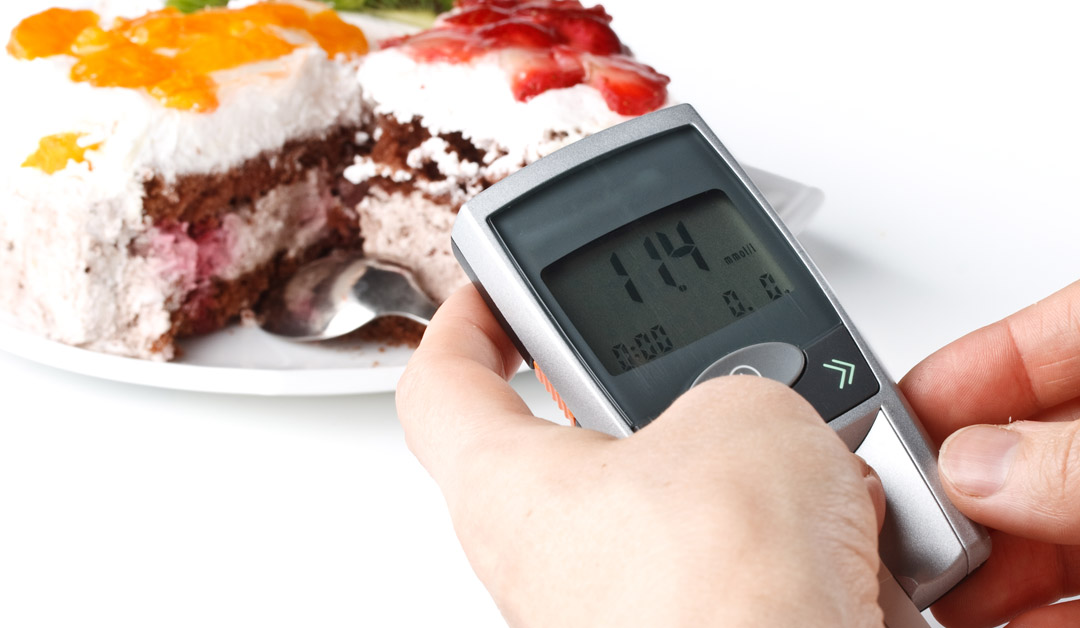
Research published in the New England Journal of Medicine indicates that elevated blood glucose levels may heighten the risk of developing dementia, even among individuals without diabetes. The study monitored 2,067 participants without dementia at the outset, tracking their glucose levels over a median period of 6.8 years. Findings revealed that non-diabetic individuals with a […]

Engaging in regular physical activity is associated with increased brain volume in critical areas, including gray and white matter and the hippocampus, according to recent research. Study Overview: • Objective: To explore the neuroprotective effects of regular physical activity on brain structure, addressing the unclear relationship between exercise and reduced dementia risk. • Method: Researchers […]
It’s no secret that cardiovascular problems during our middle and latter years can cause cognitive decline as we age. However, a new study shows that high blood pressure, high cholesterol levels, and elevated blood sugars in early adulthood are also linked to cognitive deficits later in life. The study started with over 3000 people between […]
